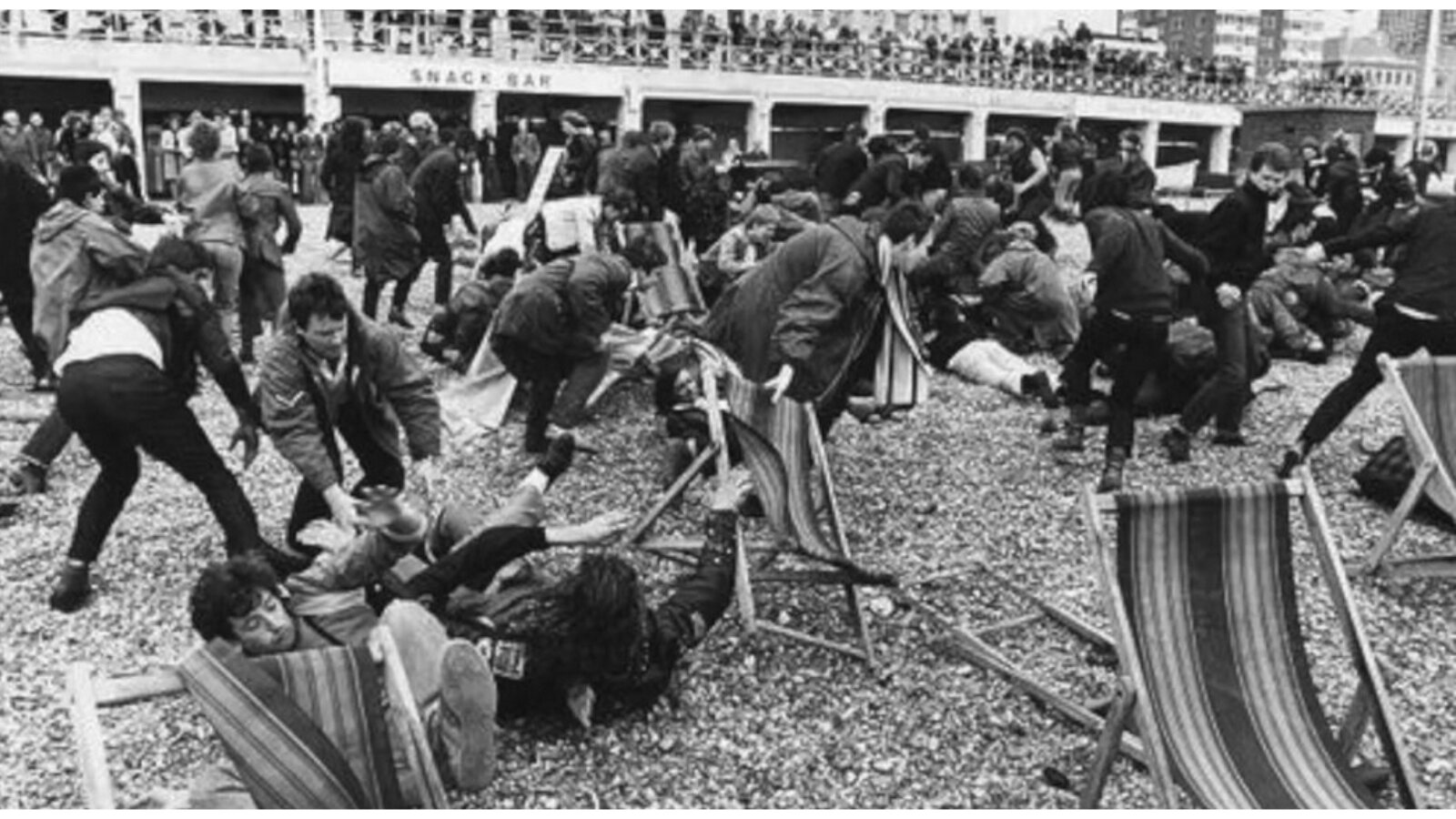
The so-called Battle of the Mods and Rockers took place over the bank-holiday weekend of 17 and 18 May 1964. It has survived in popular memory, reinforced by Quadrophenia and decades of dramatic headlines, as a moment when Britain's young people seemed ready to tear the country apart.
What happened appears to have been smaller, stranger and more theatrical: thousands of young people arriving in a seaside town, a lot of running about, some fighting, broken deckchairs and an audience of residents and holidaymakers watching from the promenade.
I was there
I wandered into Brighton that Saturday as an eighteen-year-old and climbed onto a pillar by the Aquarium to see what was happening. It felt more like being in a football crowd than a riot. The only violence I personally witnessed was a Mod being hit by a police officer.
Others remembered the weekend in similar terms. Former Brighton constable David Rowland later said that it “certainly wasn't a riot”, while also describing the deliberately rough treatment handed out by police who had been told to make sure the visitors did not return.
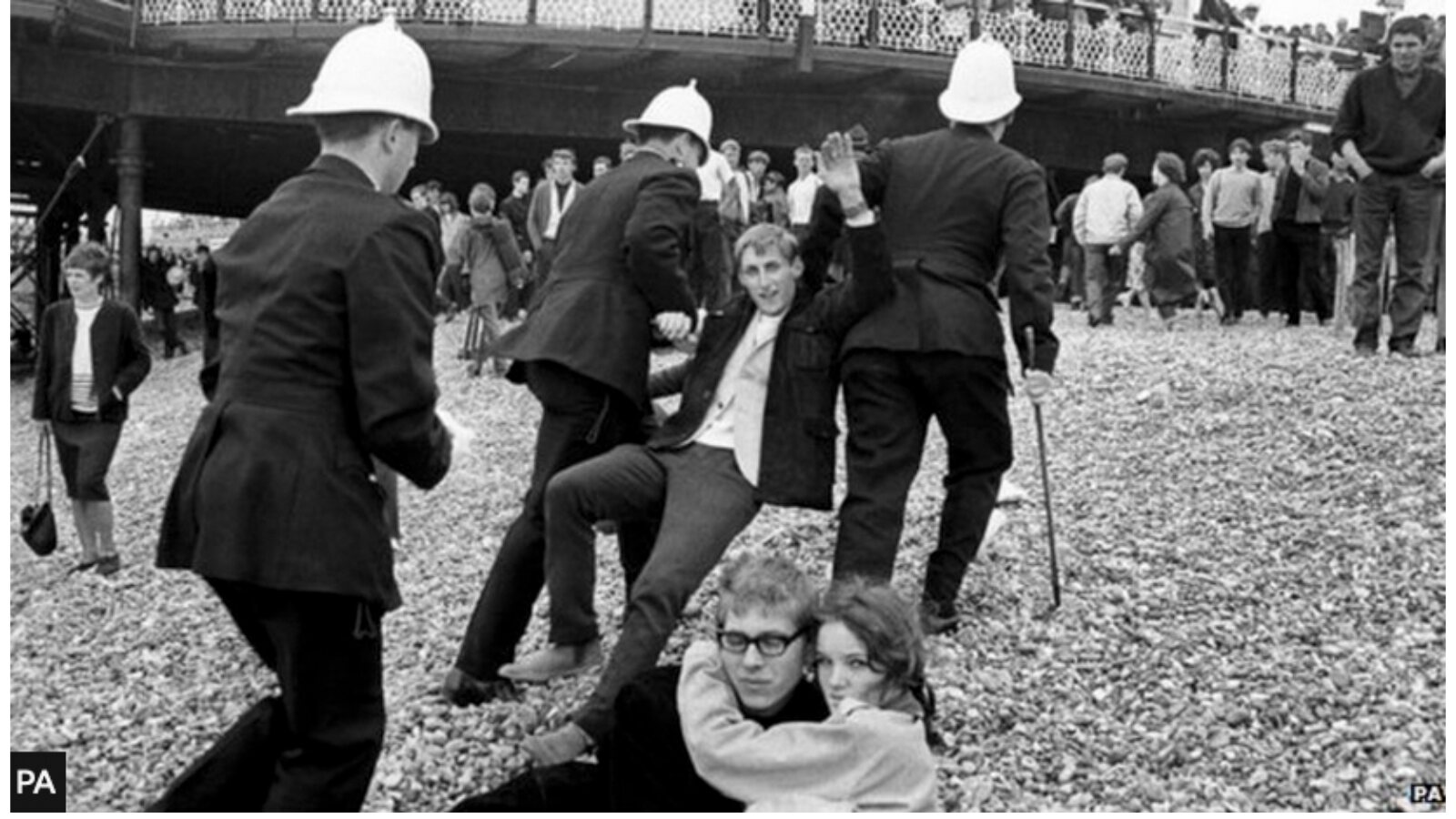
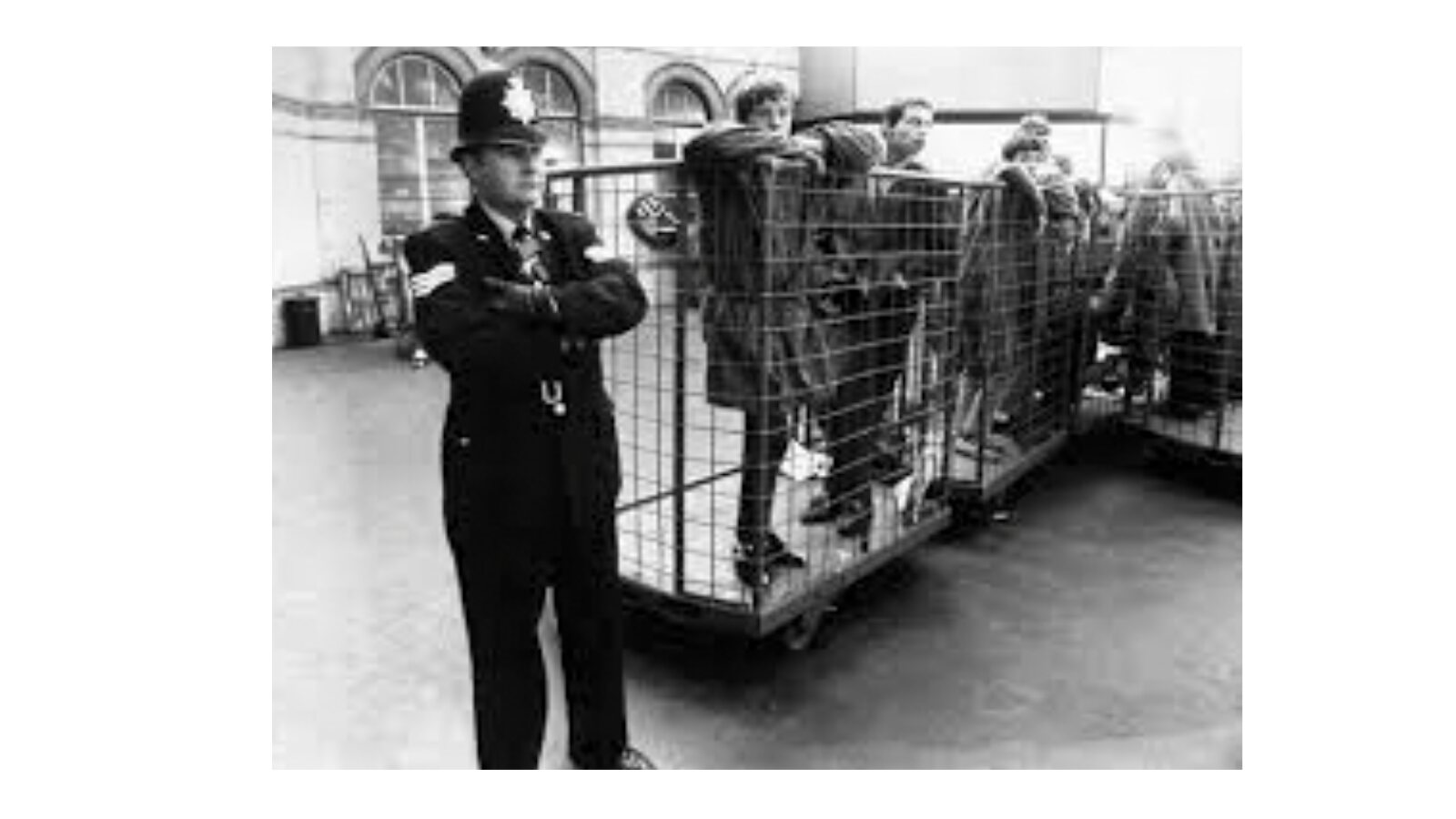
Plain-clothes officers picked out suspected troublemakers. Groups were contained on the beach, marched up North Road and Queen's Road, and loaded onto trains for London—whether they came from London or not. At Victoria they were met by Metropolitan Police officers, dogs and horses.
How a scuffle became a national threat
Up to 3,000 young people came to Brighton. The most serious disturbance centred on the Palace Pier. Deckchairs were broken, pebbles thrown and cinema windows smashed. There were arrests and injuries, but nothing resembling the urban warfare suggested by some reports.
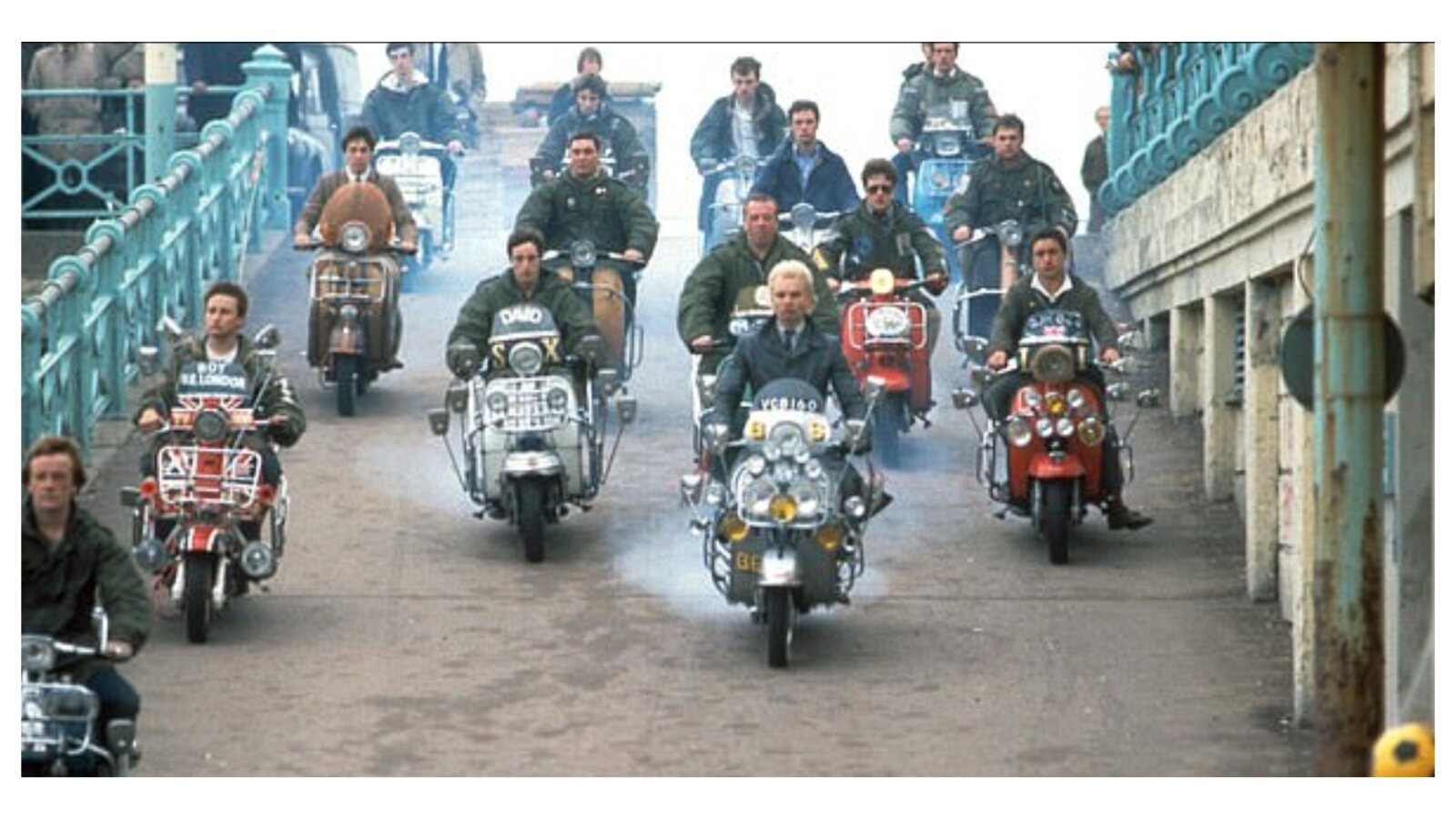
The scale of the gathering mattered more than the damage. This was a generation with more spending power and consumer choice than its parents. Clothes, music and transport had become public declarations of identity. Mods favoured tailored suits, parkas, scooters, modern jazz, soul, ska and rhythm and blues. Rockers built their identity around motorcycles, leather, heavy boots and American rock and roll.
Sociologist Stanley Cohen used the events in his study of “folk devils and moral panics”: a group is presented as a threat to society, the press fixes it into a vivid stereotype, experts propose solutions, and the episode becomes far larger in the imagination than it ever was on the ground.
Why Brighton?
Similar clashes occurred in Clacton and Bournemouth, yet Brighton became the mythic setting. Perhaps the town was already performing its own conflict: selling modernity and glamour while remaining deeply anxious about disorder. The promenade offered a stage, the beach an arena and the press an irresistible story.
The Battle of Brighton was real enough for the people struck, arrested or frightened by it. But the enduring event was also a collaboration between young performers, official force, spectators and newspapers. For one weekend the beach became a theatre in which Britain rehearsed its fear of the future.