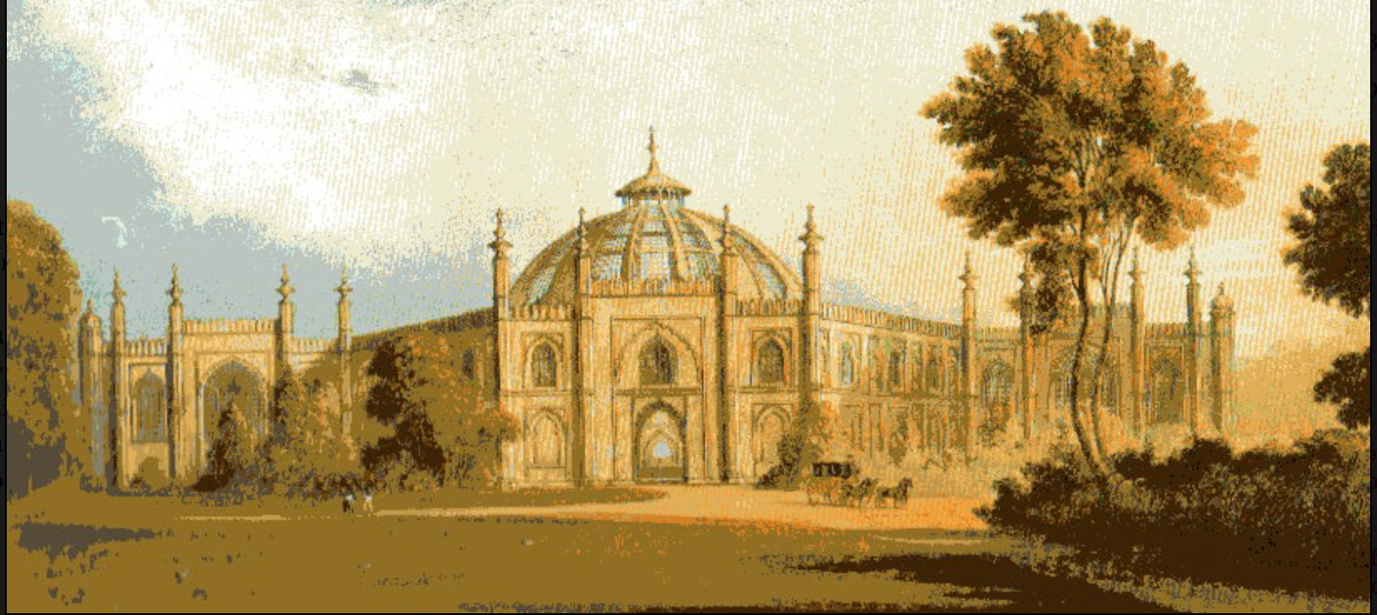
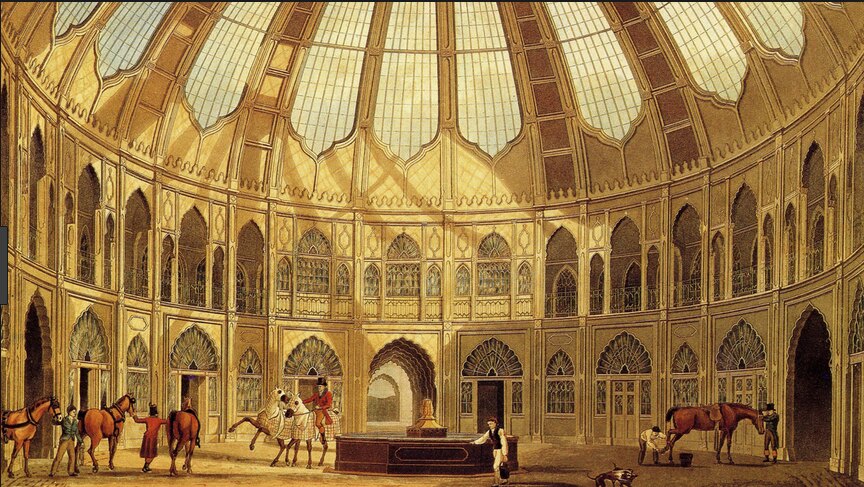
Brighton Dome began life not as a theatre but as the Prince Regent's royal stables. The great circular stable block was completed in 1806; the adjoining riding school, now the Corn Exchange, followed in 1808. By the middle of the century Queen Victoria had sold the Royal Pavilion Estate to the town, and Brighton had to decide what to do with the extraordinary buildings it had acquired.
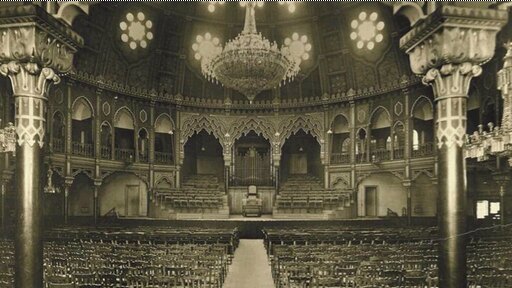
The Dome was converted into an assembly room under borough surveyor Philip Lockwood. It opened on 5 June 1867 after work costing £10,000. The audience sat on wooden chairs and benches beneath an enormous chandelier, with hundreds of gas jets illuminating a room designed for concerts, meetings and public spectacle rather than theatrical comfort.
A building for everything
The Dome and Corn Exchange rapidly became civic rooms in the fullest sense. Concerts shared the calendar with exhibitions, dinners, political meetings, religious services, boxing and, in 1874, a roller-skating rink. The spaces could display art and industry one week and classical concerts the next.
The building also attracted the international stars of the age. Adelina Patti appeared at the Dome in 1870, when the Brighton Gazette described an immense audience alive with expectation. Ignacy Paderewski played there regularly; Edward Elgar conducted The Dream of Gerontius before a crowd so great that hundreds were reportedly turned away.
New light and new politics
Lighting the Dome was both technically demanding and dangerous. The massive central chandelier in the auditorium had 520 gas jets. These were eventually replaced with electricity by Magnus Volk. The incandescent bulb had been patented only a few years earlier, and the Savoy Theatre in London became the first public building lit entirely by electricity in 1881.
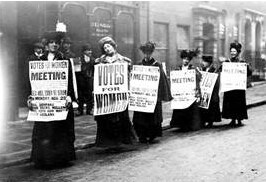
The Dome was not only a place of entertainment. In 1907 Christabel Pankhurst addressed a large gathering there, helping to prompt the formation of Brighton's branch of the Women's Social and Political Union. Suffragettes repeatedly disrupted political meetings. Before a visit by Prime Minister H. H. Asquith in 1910, Eva Bourne and Mary Leigh hid inside the organ, only to be discovered after a sneeze betrayed them.
Hospital and workshop
During the First World War, the Pavilion Estate became a hospital complex. Indian soldiers were treated in the Royal Pavilion, Dome and Corn Exchange before the buildings reopened in 1916. Queen Mary's Workshop, built in the Pavilion Gardens, offered training in trades including carpentry, motor mechanics, shoe repair, typing and cinema projection. Its aim was not simply medical recovery but a route back into life and work.
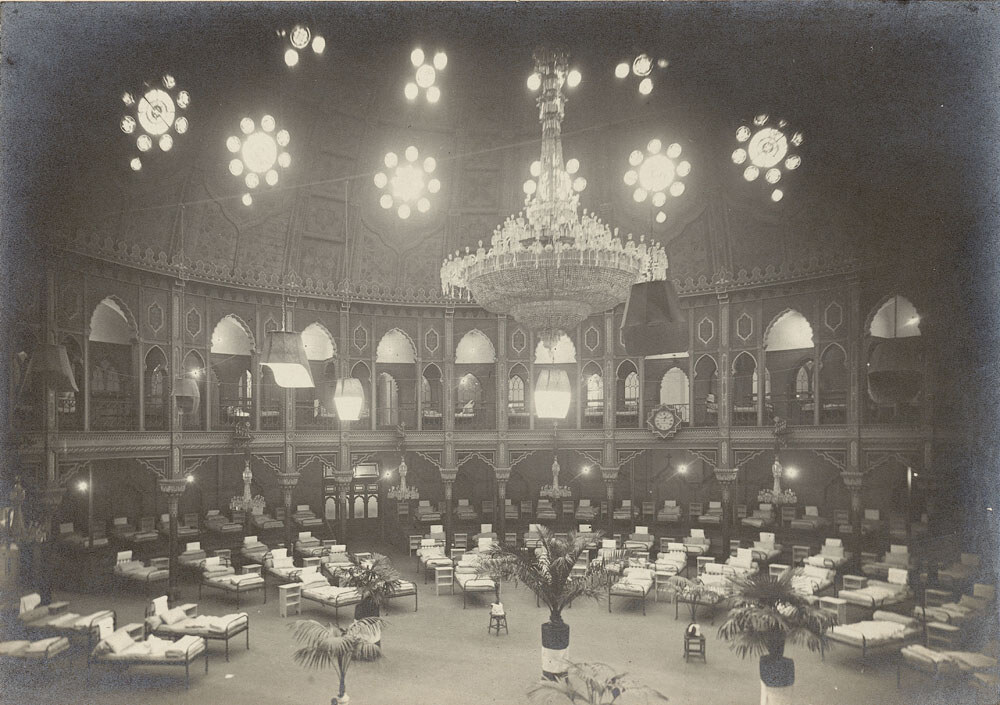
A new Dome
By 1933 the old auditorium was considered inadequate. It was gutted and reconstructed under architect Robert Atkinson.
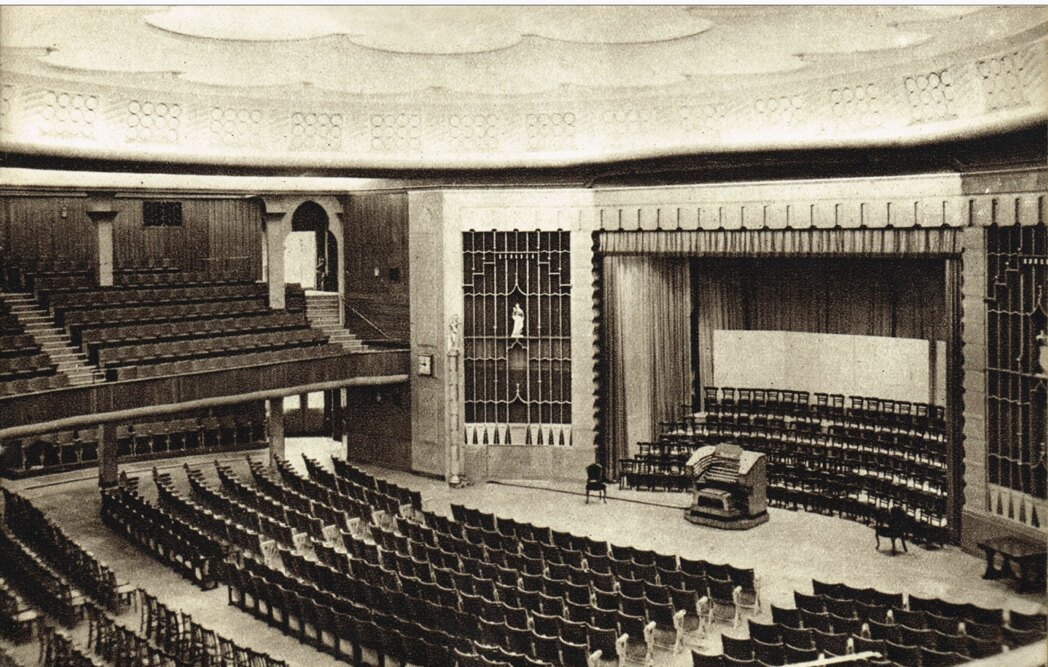
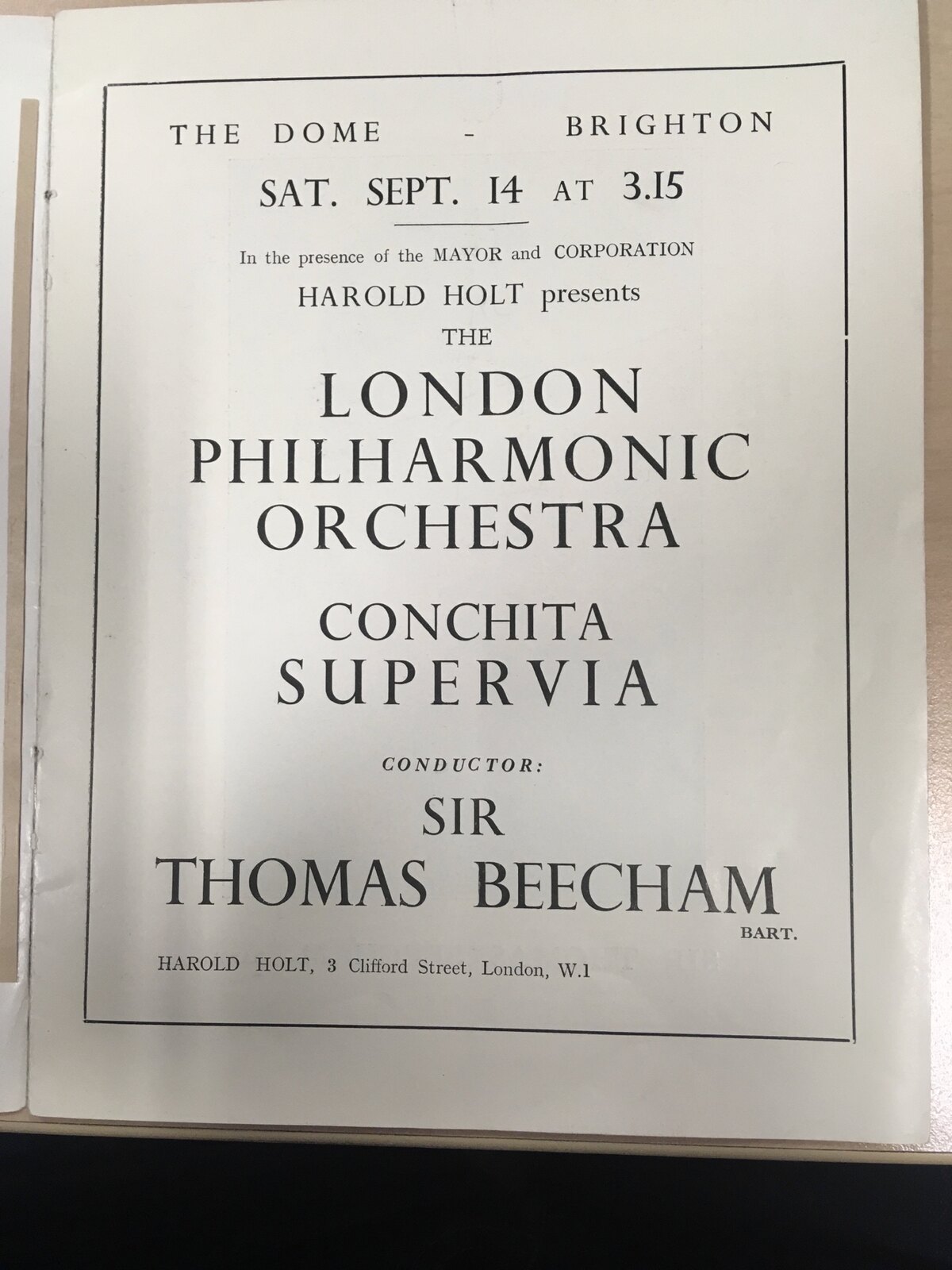
The transformed Dome reopened in September 1935, with Sir Thomas Beecham conducting. Brighton expected flattering headlines. Instead, Beecham complained about the stairs to his dressing room, smashed sealed windows with his stick because it was too hot and announced that the magnificent structure was “of no earthly use” to him.
The outburst was an unruly ending to seven remarkable decades. The Dome had been concert hall, meeting place, pulpit, battleground and hospital.