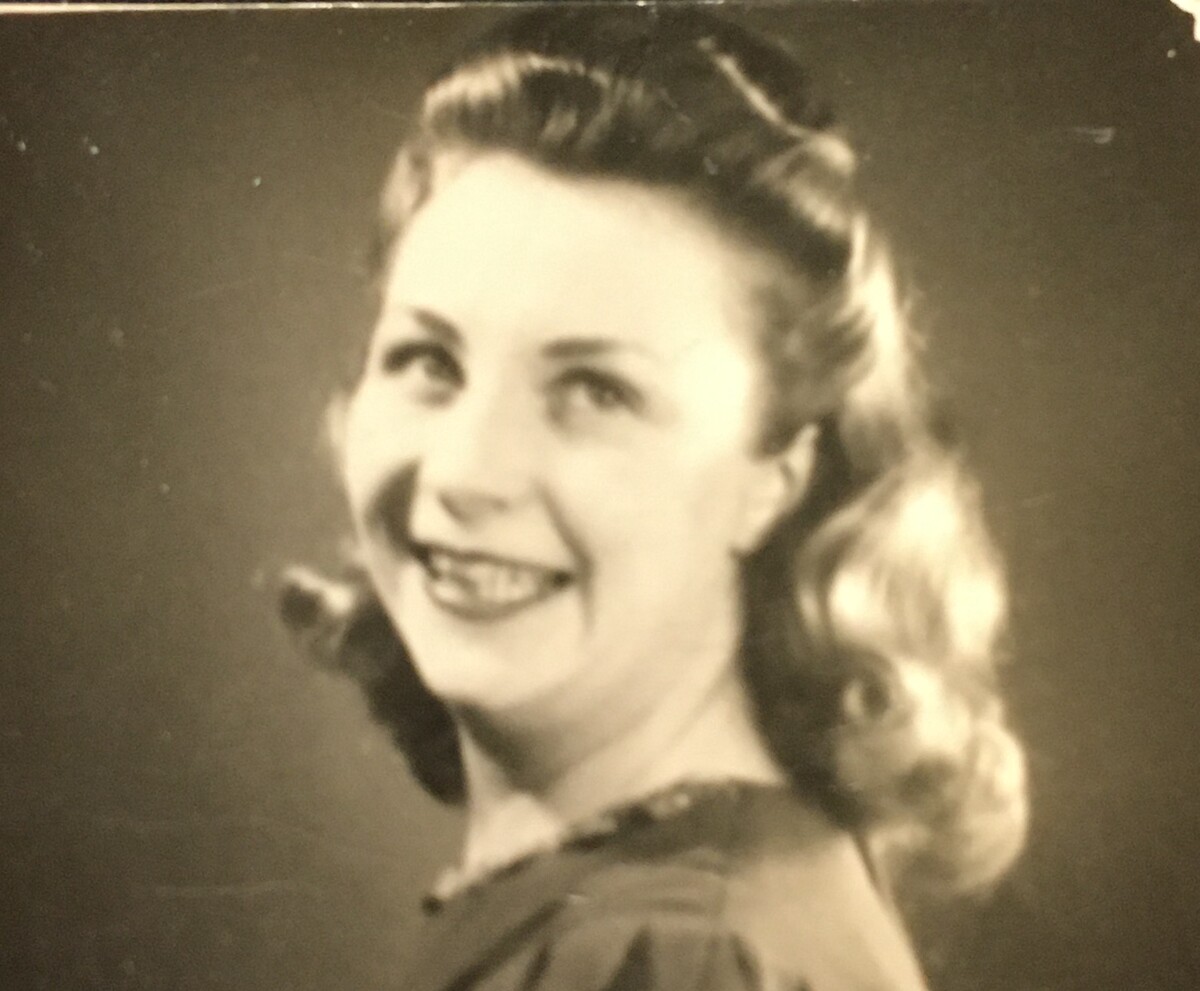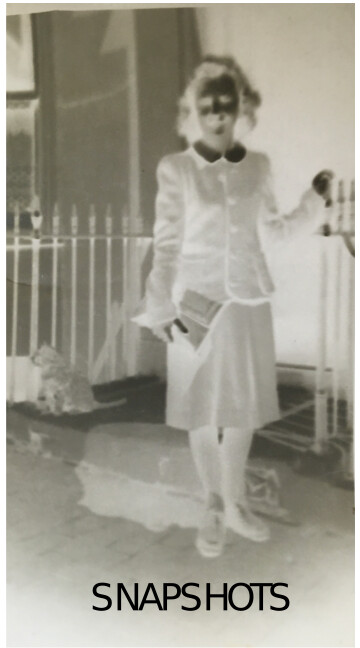
In 1999 we began a major refurbishment of Brighton Dome. To create a wider and more flexible stage, the organ screens were removed. Behind one of them we found more than forty black-and-white photographs, letters, a telegram, a cigarette case and an embroidered handkerchief bearing a military insignia.
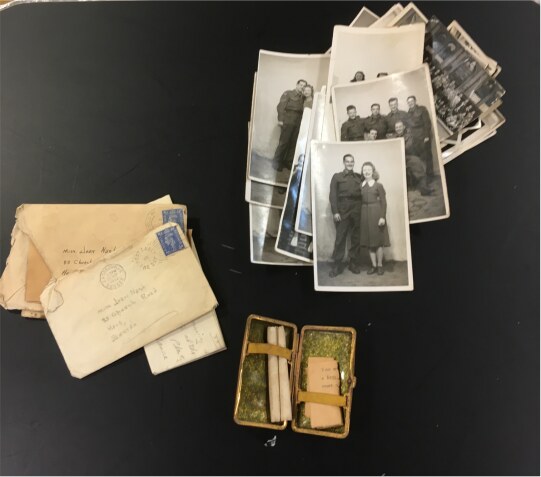
The small collection had remained together, waiting for its story to be recovered.
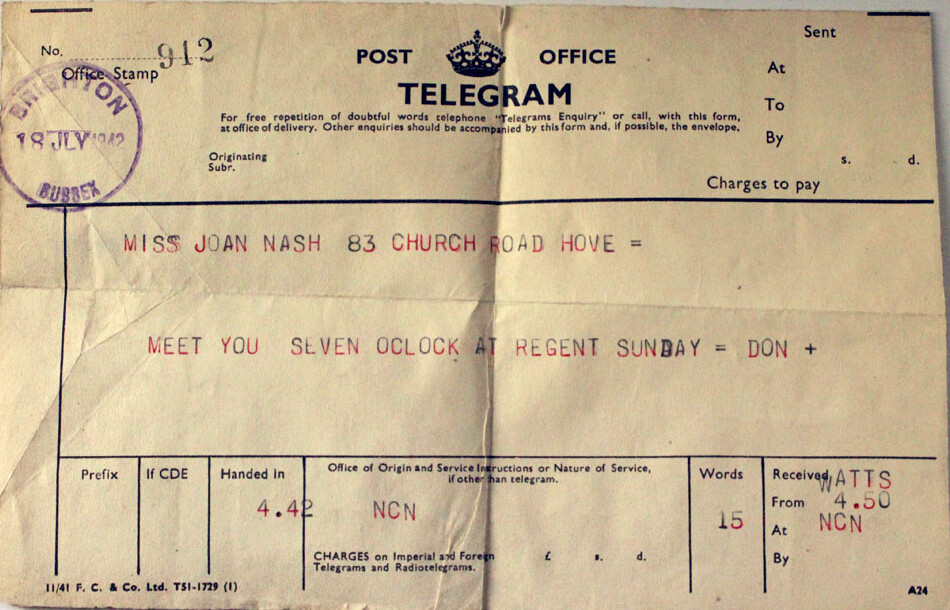
We bagged everything and stored it safely. At the time, opening the refurbished building took precedence over solving the mystery. Twenty years later, in 2019, Brighton Dome's Heritage Volunteers began investigating. The letters and telegram were addressed to Joan Nash.
A request posted to the Brighton Past community reached Joan's family, and her son immediately recognised her.
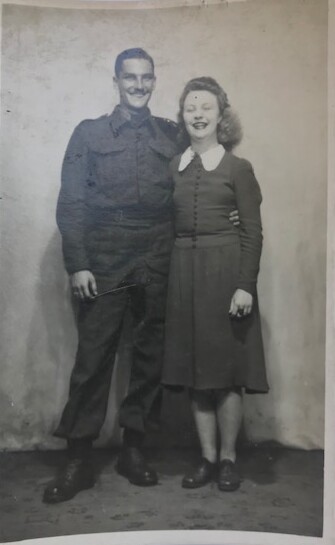
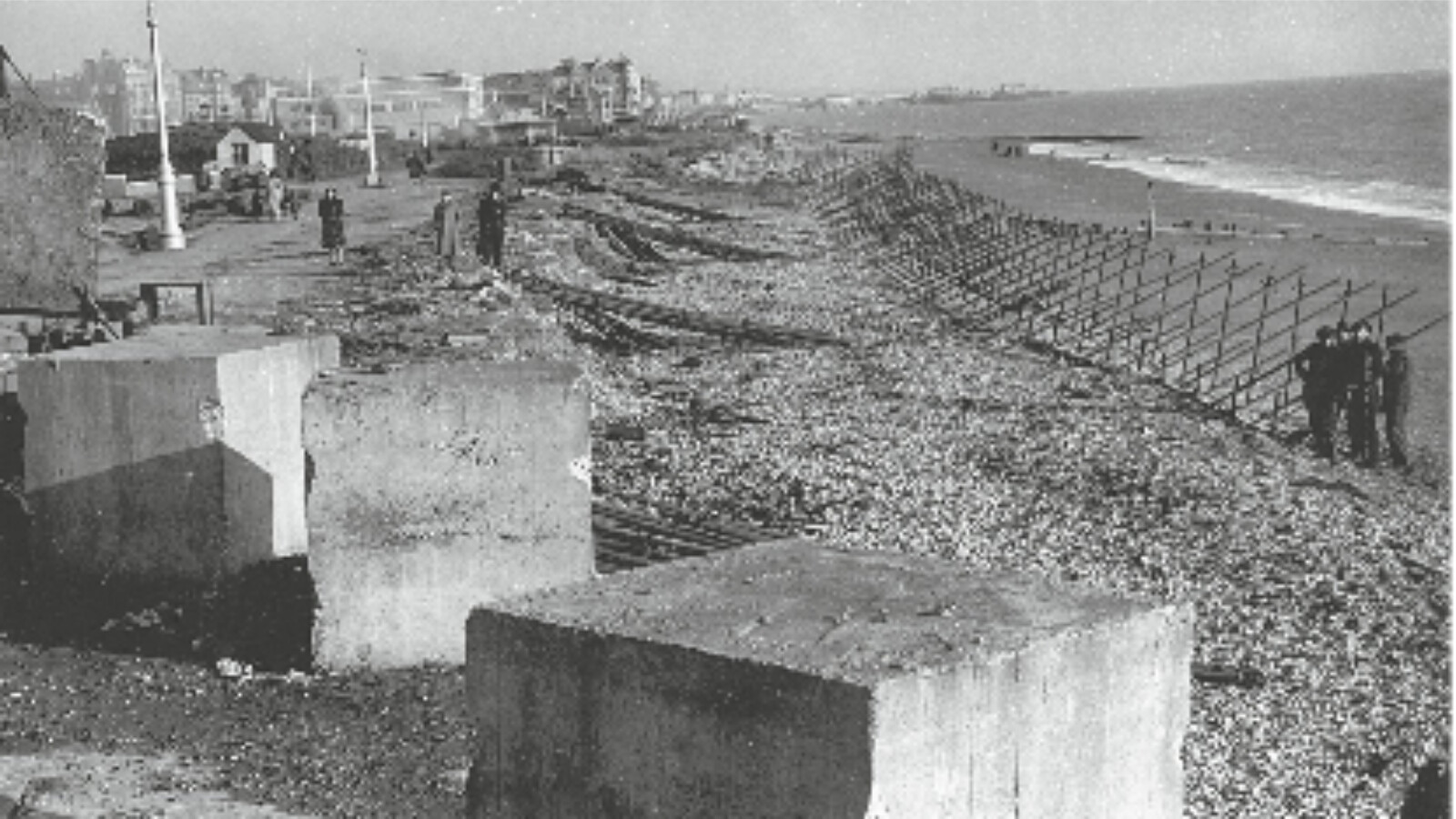
Joan was born on 8 January 1923 and grew up in New Church Road, Hove. In 1942, aged nineteen, she worked as a waitress in English's Oyster Bar on East Street. The Brighton seafront she knew was fortified.
The telegram dated 1942 invited Joan to dance the following evening.
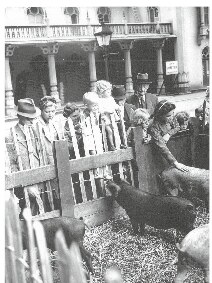
As she walked from home into the centre of Brighton she would have passed the seafront fortifications, the trenches cut into the Pavilion lawns and the model allotment, with instructions on keeping pigs, in Pavilion Gardens.
Then she could have entered the Dome.
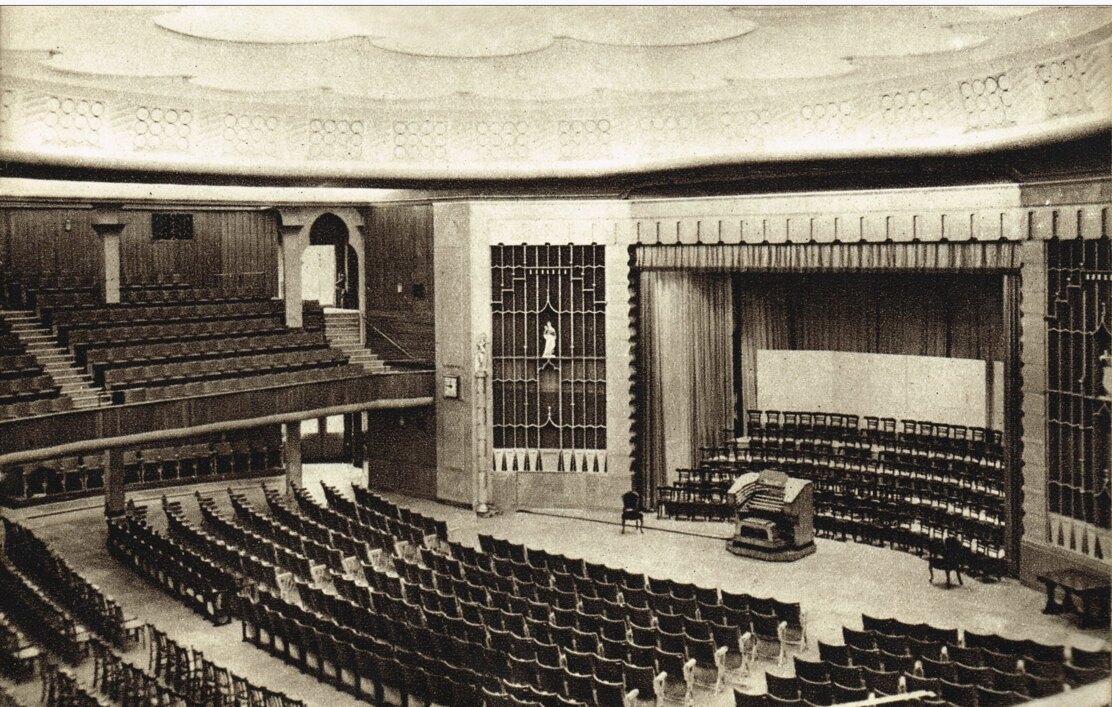
And joined the crowd.
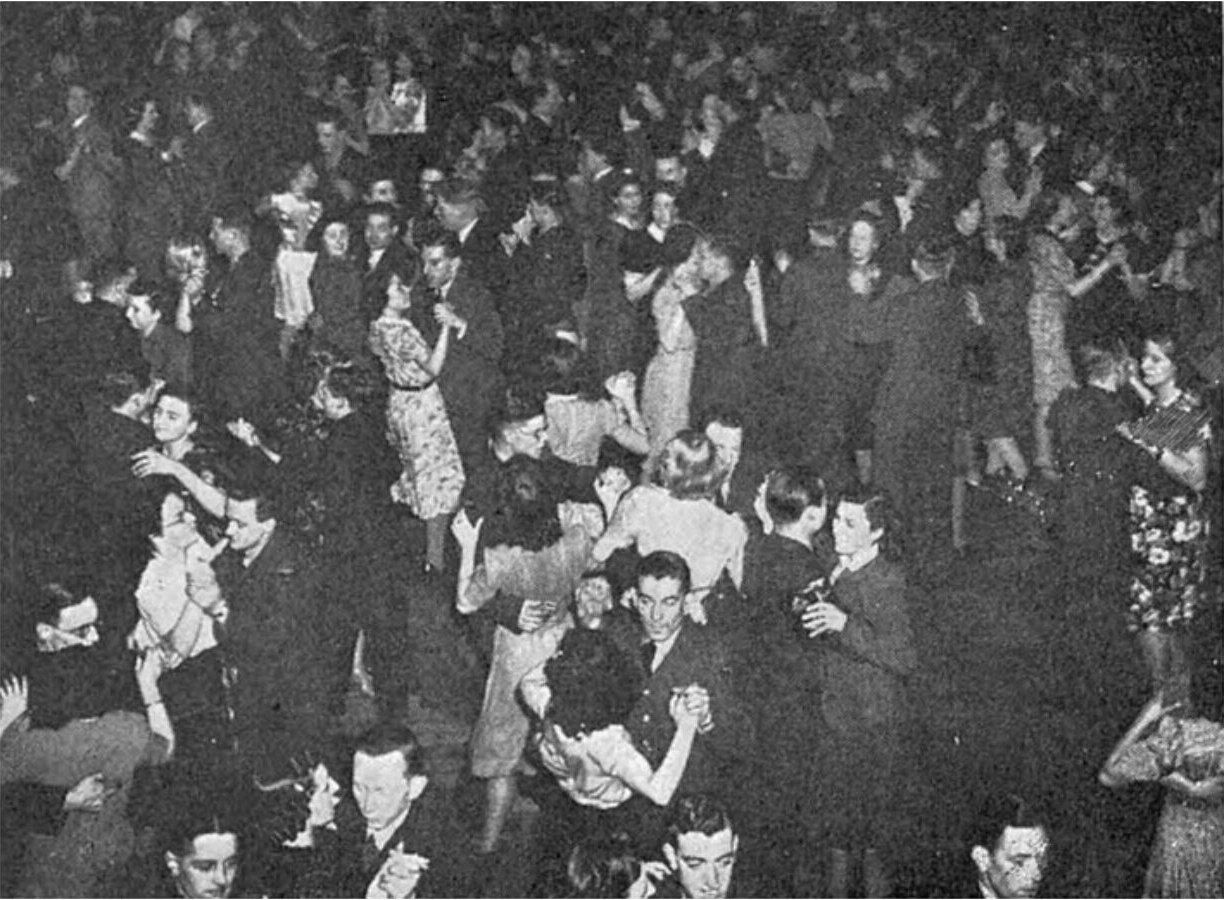
She probably placed her handbag on the organ screen. Perhaps the bag was knocked in the press of dancers and, not properly closed, spilled its contents into the narrow space behind.
There they remained until the refurbishment fifty-seven years later.
Among Joan's papers was a photograph and letters from a Canadian serviceman in training in Hastings called Mac.
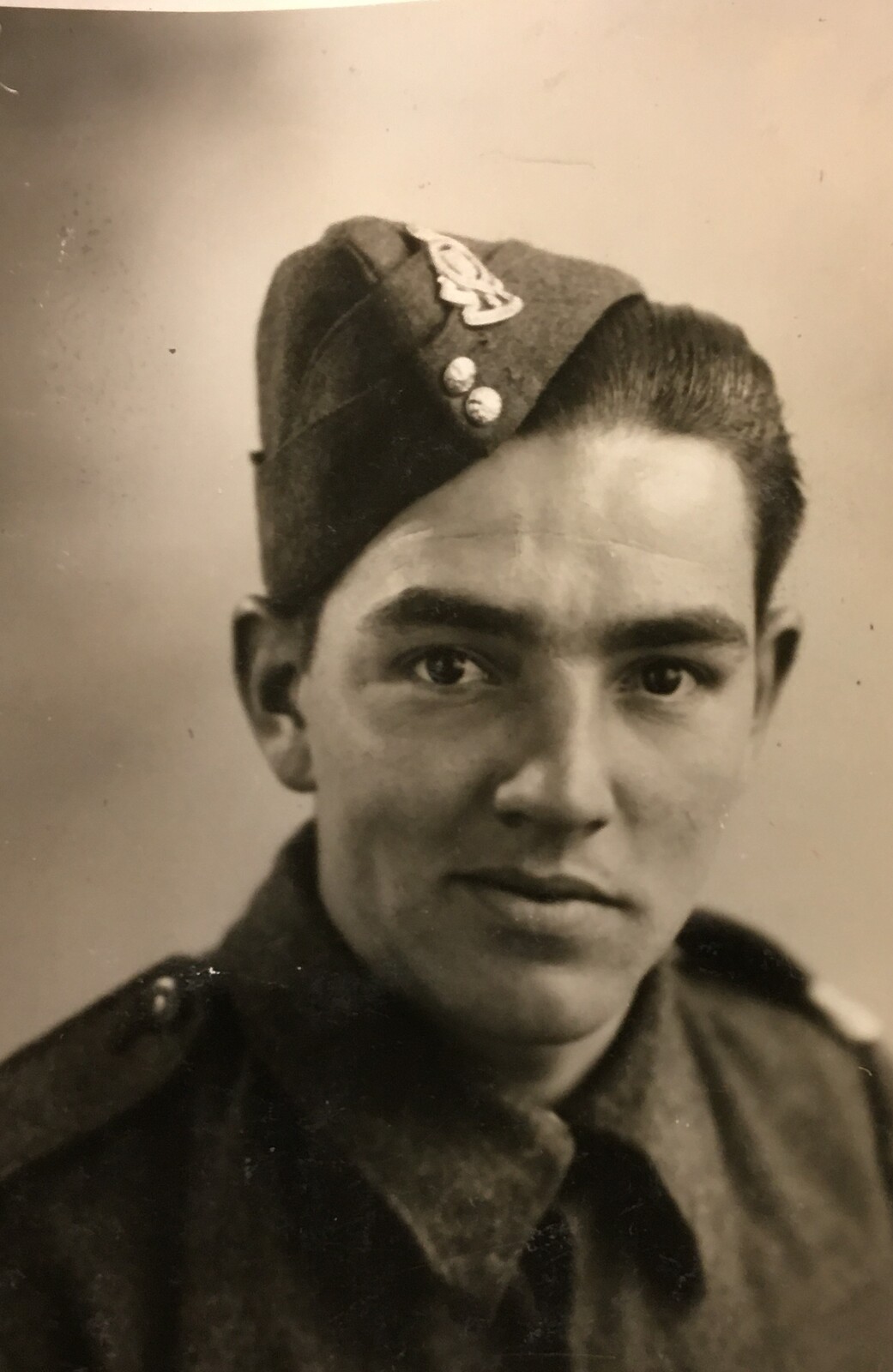
A month after the date on the telegram, troops embarked from nearby Newhaven for Operation Jubilee, the Dieppe Raid. More than 6,000 men, predominantly Canadian, landed on 19 August 1942. Within hours, thousands had been killed, wounded or captured.
We do not know whether Mac went to Dieppe or whether he returned.
Joan later married and had a family. She continued working in Brighton and lived long enough to see the war recede into history. The few things that slipped from her bag give us a hint of what life was like for a young woman living against the background of war.